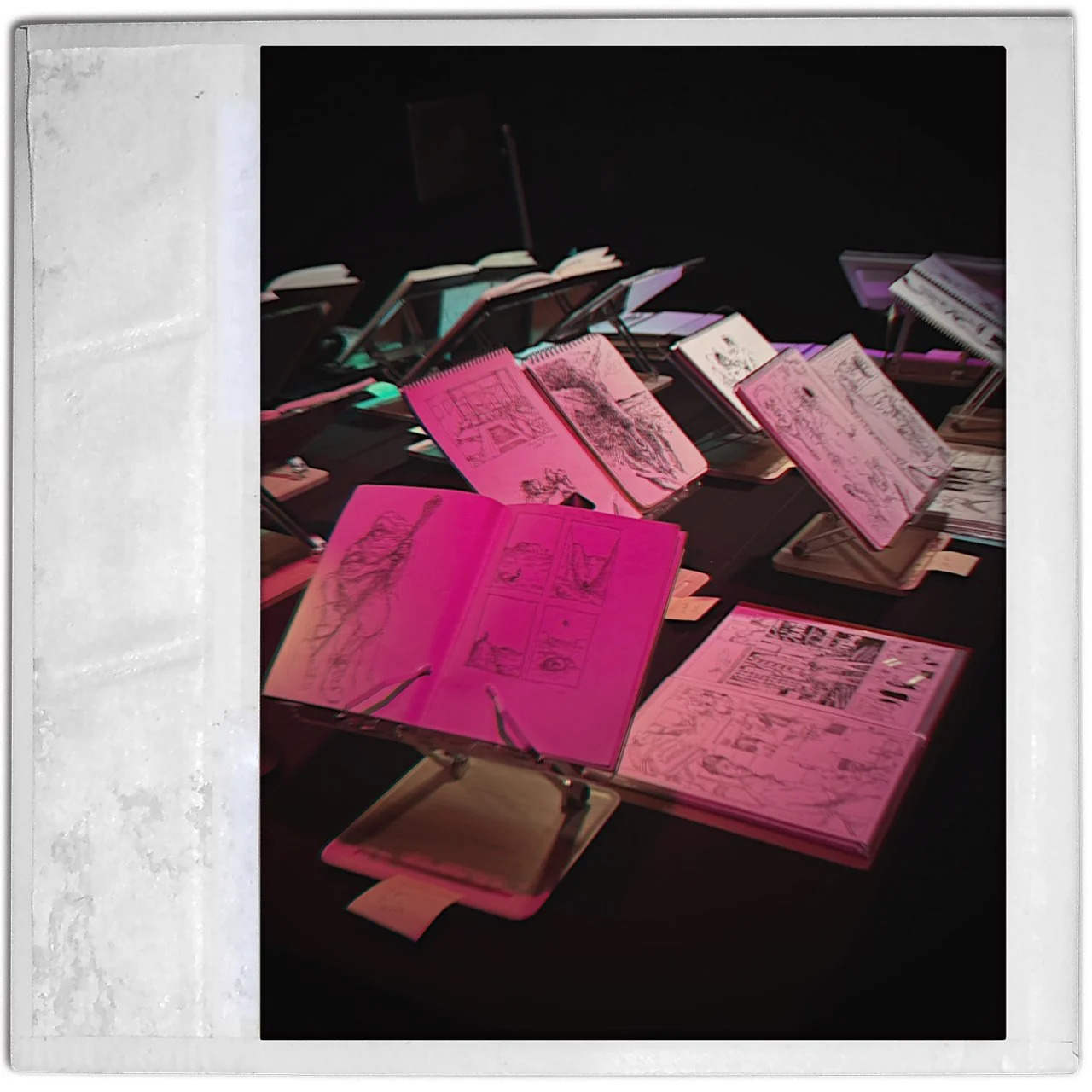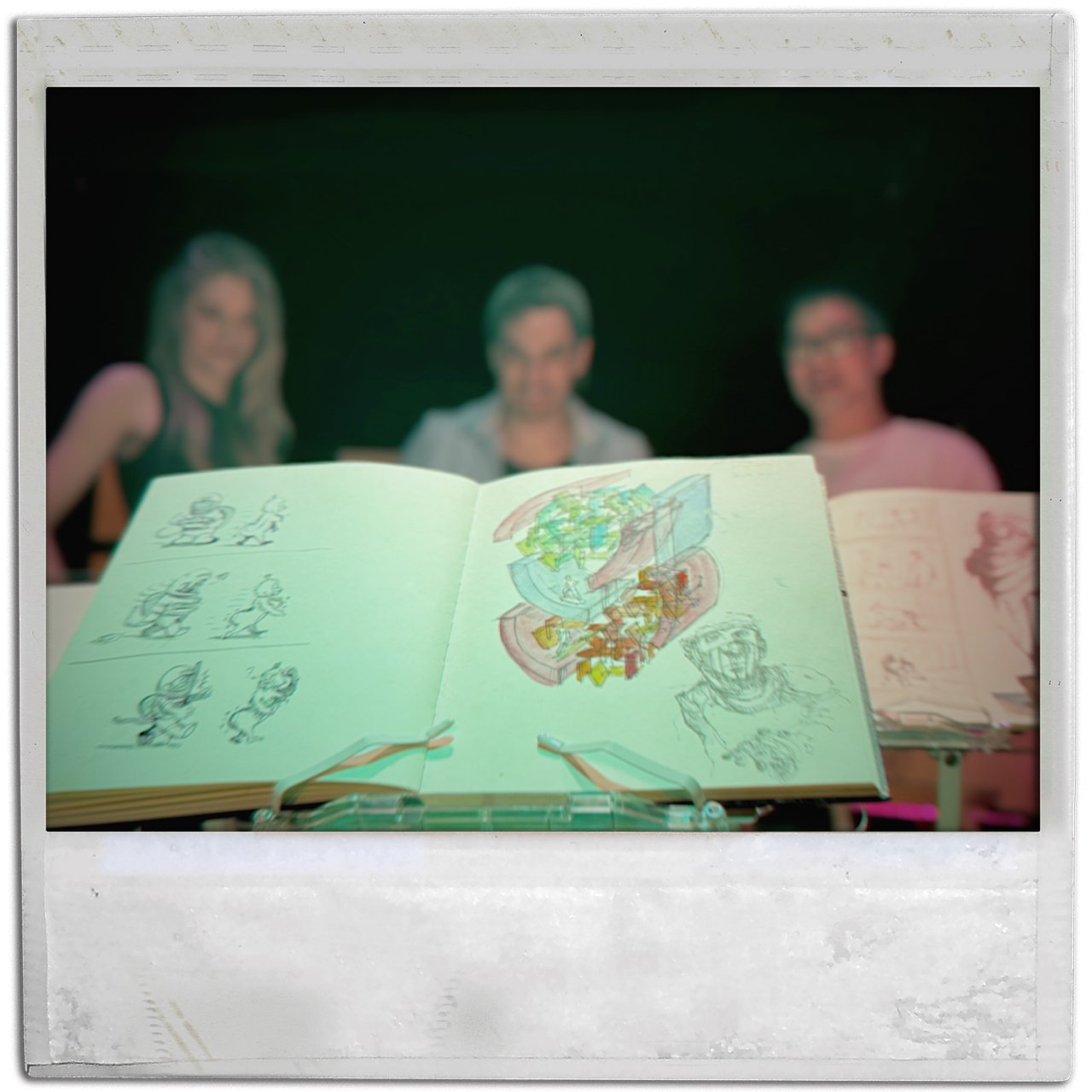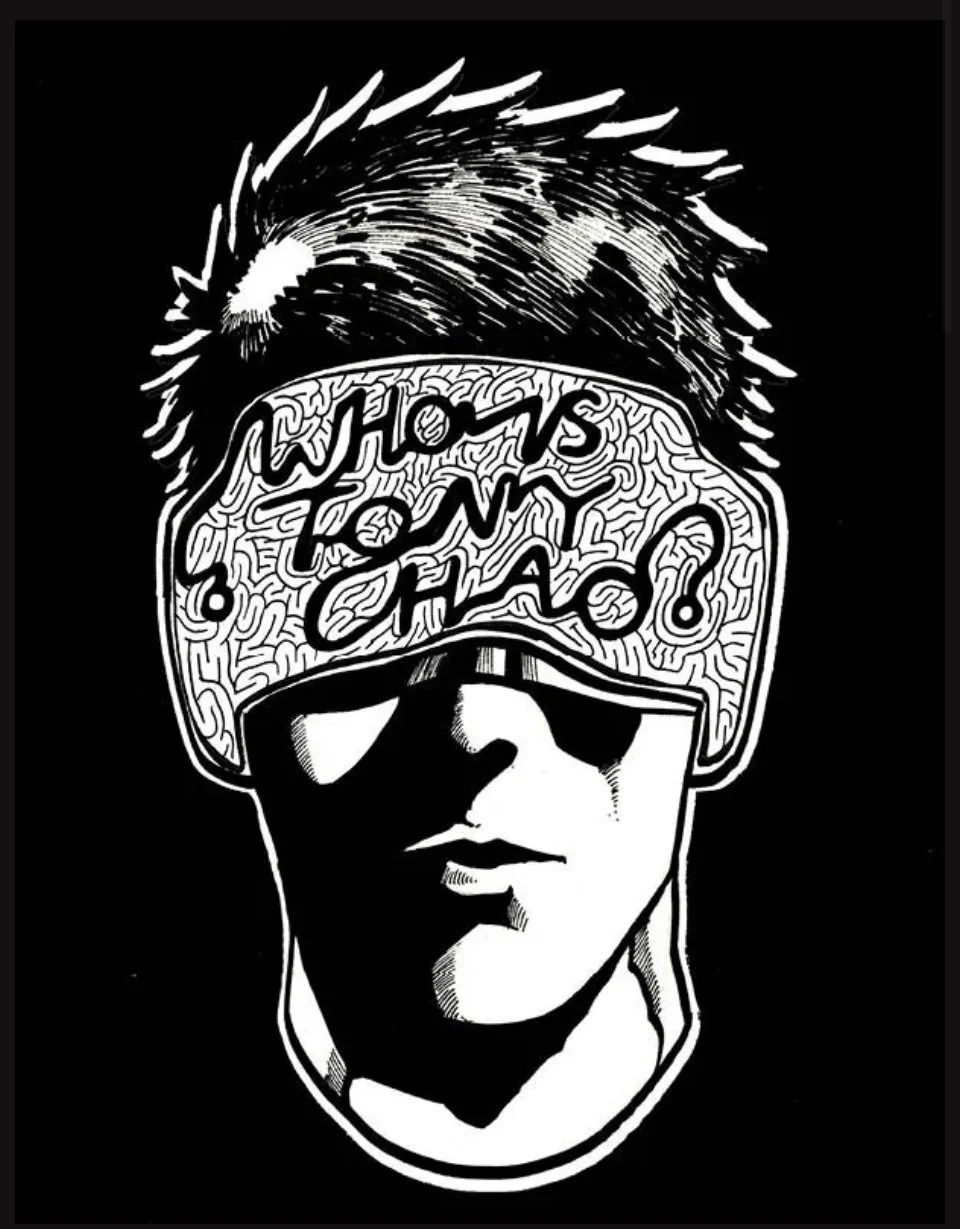
Tony Chao is an illustrator, designer and storyteller based in New York City. Born in Taipei, Taiwan, Tony spent his formative years spending time in both Asia and the United States. His work draws heavy influence from Japanese Manga, European comics, and American cartoons, combining the aesthetics of both East and West. Tony enjoys action, science fiction stuff and imagining the end of the world. He’s real fun at parties.
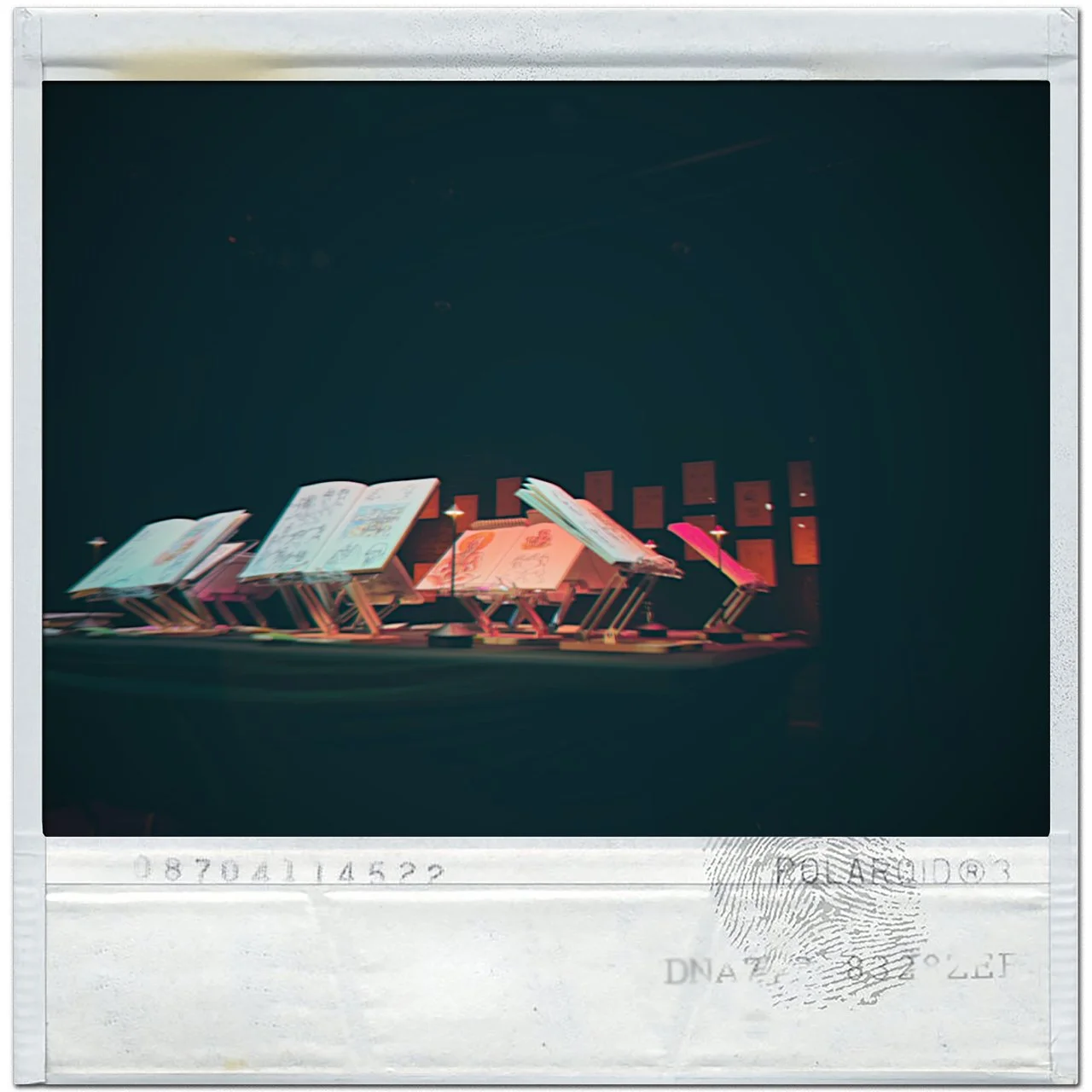
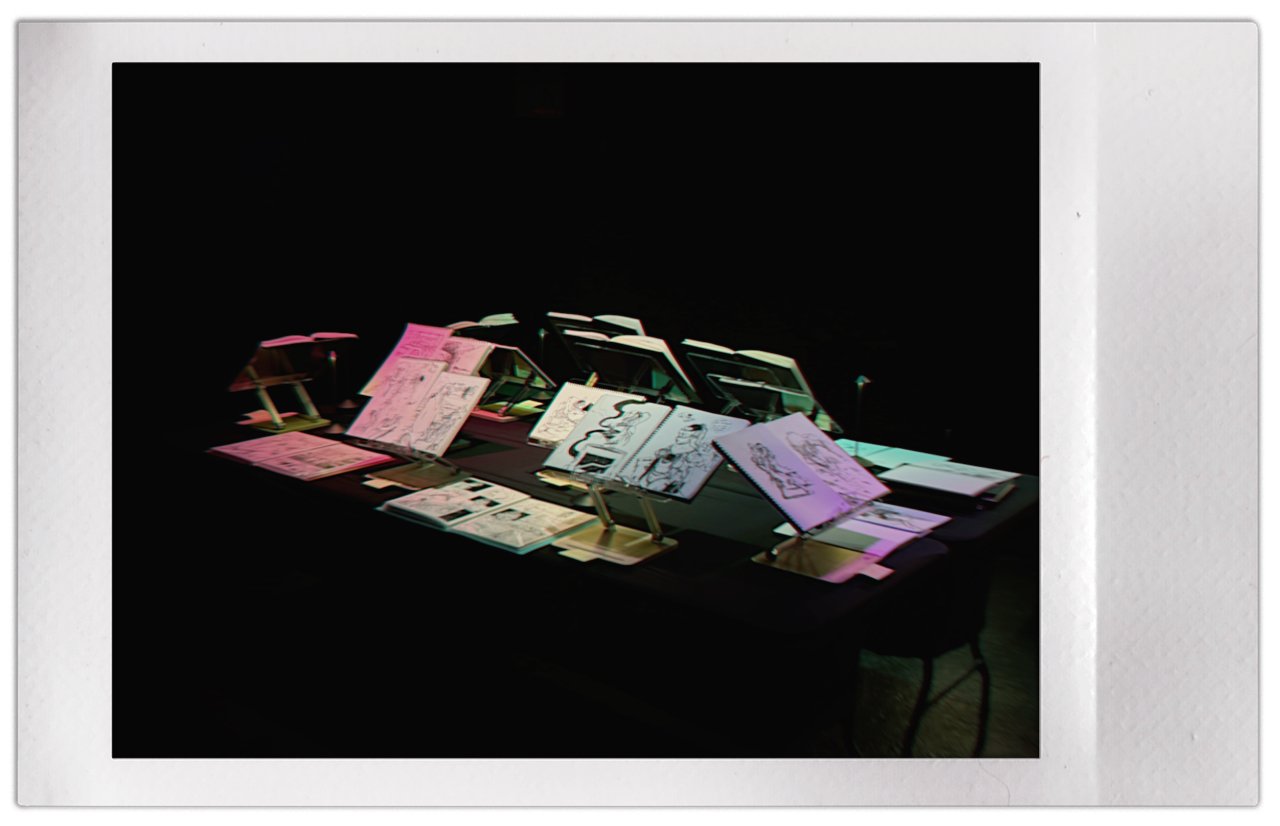
Tony received his Master of Fine Arts for Visual Narrative at The School of Visual Arts in 2021 and is currently selling his comics at various comic stores around New York and the world. He was also an amateur boxer, placing second in the Buffalo Golden Gloves and USIBA Collegiate National Championships.
Training DatA: Interview With Tony Chao
We Talked to Tony on April 29th, 2025, in New York City about his background, Influences and dynamic professional career as both an Illustrator and boxing coach.
Early Life: My name is Tony Chao. I’m based in New York, originally from Taipei, Taiwan. I’m an illustrator, boxer, boxing trainer, and animation director. In 8th grade my parents sent me to middle school in San Jose, California, then boarding school in Massachusetts for high school, Syracuse for college, and finally New York. My dad did his master’s and PhD in the States in the eighties. He didn’t really trust Taiwan’s education system and always planned to send me here. I grew up visiting my California cousins every summer—summer school and all that, so in eigthth grade they said, “Let’s pull the trigger,” and sent me over.
My dad worked at a nuclear plant for a couple years and has some crazy stories. For Chiang Kai-shek’s birthday, higher-ups demanded the plant produce power that day. The place wasn’t ready - wires everywhere - but they were ordered to switch it on anyway, alarms blaring, then shut it down.
He came to the U.S. kind of abruptly. During military service in Taiwan he saw university kids studying for the TOEFL and thought, “What’s that?” Later, someone tried to set him up on a date; he dodged it by saying, “I’m going abroad,” then realized he had to actually do it.
He taught at Manhattan College for a bit, then—when Taiwan’s economy picked up—he literally quit from the airport and flew back without warning.
My mom’s side was more connected to the military, so slightly better off, and lived in Taipei. In Taiwan, private colleges are considered worse and more expensive than public ones. She was placed into a private school but couldn’t afford it, so she went to a trade school for accounting, started working young, eventually opened a small tax firm, met my dad, and had me. I’ve got extended family in mainland China I barely know; they pop up now and then, but they’re getting older and the 17-hour flight is rough.
I’m an only child and my parents are older. My dad had cancer about ten years ago - we caught it early and he’s fine. He found out on Father’s Day during routine checkups; the doctor said it might be cancer. So… we don’t celebrate that day anymore. Because he was sick and I’m an only child, Taiwan gave me the twelve day military service exemption. I basically washed dishes for twelve days—more like summer camp: up at 5 a.m., lights out at nine, uniforms, salutes, bunks. We counted: thirty three meals.
Drawing has always been part of me. I’ve been drawing since I was five—manga, cartoons, sketchbooks, doodling in textbooks. I remember the first drawing I did with a cousin in California - some castle - and it felt fun. We had a Picasso book at home; my dad and I copied drawings together. He could draw pretty well but never pursued it. Teachers in Taiwan were strict; I got disciplined for drawing in class instead of paying attention. The more they told me no, the more I wanted to draw. I was rambunctious through elementary, middle, and high school; calmed down in college after enough trouble. I got suspended for weed in high school right before winter break—then had a brutal 22-hour flight home to face my parents.
My high school had a “senior chapel” - not religious, just 15 minutes to say anything. I turned it into a roast of the school, told everyone to clap, put Tiger Balm under my eyes to fake tears like a bit, and it burned so badly I started cursing on stage. The dean sent me to the health center, then his office.
I was lucky to have good art teachers early on. My mom’s friend—an art teacher—told her not to stick me in rigid classical painting classes and to let me explore, to keep it fun. That helped.
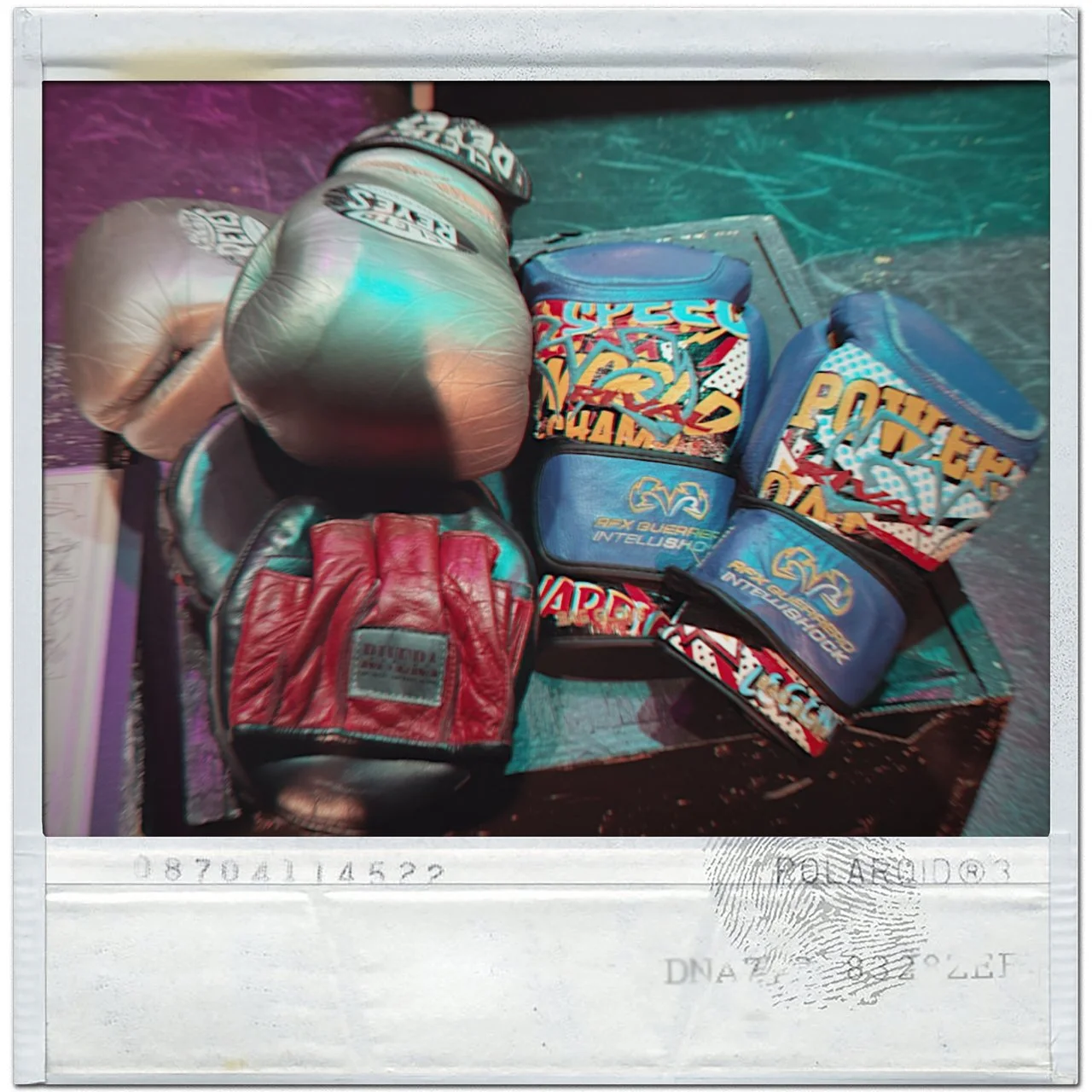
Boxing: Boxing started later, around sixteen in boarding school. A group of Korean kids were doing a hazing ritual they called “cleansing,” beating each other up; some got expelled. I thought, “I should learn to fight.” A dorm mate introduced me to boxing—told me to watch Pacquiao. I decided to go back to Taiwan that summer, learn boxing, then return and handle myself. My parents were like, “What? Our family is full of academics.” But they found a boxing gym in Taipei, dropped me off, and I trained every day that summer—learned the jab, right hand, sparred a few times. Coaches looked at me like, “You’re a rich kid. Just learn technique.” I said, “No—I want to fight.”
Knowing how to throw a few proper punches makes a huge difference. I wasn’t being bullied; I just wanted real skill. I tried other martial arts in my head—taekwondo and karate were big in Taiwan - but I wasn’t into belts and bowing, and I only had three months. Boxing had no pretense: fist to face, learn the craft.
Back at school, I shadowboxed a lot and hit the one heavy bag on campus. Each summer I’d go back to the Taipei gym and train with my old coaches. Art was still my focus-drawing, painting, murals, building a college portfolio—until college, when my coach said, “You’re good; you should fight.” At Syracuse, I partied and smoked a lot early on; the coach was just a couple years older than me and needed good sparring. In USA Boxing it’s easy to become a “coach” - just paperwork - so I quickly became the best boxer in the club. In the real gym, I wouldn’t be the best, but on campus, yeah.
In art classes I killed figure drawing; sculpture tanked. With drawing, I used to move first—just draw and figure it out later. After my MFAVN program (visual narratives), I think more about story. Boxing was always logical, like chess: test a move, read the reaction. I’m a natural counter-puncher—less comfortable leading because you can get hit—but if you throw, I see the opening and take it. I try to stay unemotional, though sometimes fights force you to brawl.
In 2019 I had a bad shoulder injury - out for six months. I briefly thought about turning pro. My friend Dom said, “Are you stupid? You have a college degree.” Pro boxing doesn’t pay like the NBA; it’s rough. I used to spar a pro two weight classes above me—he went hard every time and dropped me once. He was ranked top 15–20 in the world, and I watched him get pieced up on TV by a younger guy. That guy then got knocked out by Hugo Centeno Jr., who then got starched by Jermall Charlo. You realize the level of punishment you’d need to absorb to climb that ladder - astronomical. I didn’t want that anymore. When you stop thinking like a fighter—stop wanting to hurt people - you should probably stop fighting.
Around 2016–2017 boxing got trendy - Victoria’s Secret models boxing, boutique gyms like Rumble popping up. Good for business, weird to see “trainers” who’ve never fought holding pads. On the art side, when OpenAI-style tools started spitting out “Studio Ghibli” images, it drove me nuts. After a while a lot of AI art looks the same—muted colors, similar compositions—but I worry future audiences will see Miyazaki and think, “Oh, like that AI thing.” Then Google’s video models showed up—prompt-to-video is getting pretty good. It’s hard to trust anything.
Influences: I grew up on sci-fi: Terminator, I, Robot, Robocop, The Matrix, Blade Runner, cyberpunk. It’s always been in the zeitgeist. I’m surprised how fast it all arrived; I thought I’d see this in my 50s or 60s. I used to imagine environmental collapse - hazmat wastelands - not this rapid AI disruption. Maybe it’s both.
Work-wise I drew storyboards for ads and directed animatics for ad agencies—also fading. Agencies used to bring four scripts to us; we’d build animatics, test with focus groups, tweak, then they’d shoot the winner with real crews. Now they can prompt AI to spit out boards and even moving previs. It wasn’t precise a year or two ago, but it’s getting good. My old company’s getting fewer jobs; whole teams aren’t needed the same way.
My passion is comics and sequential art - heavily influenced by manga and European comics. I’d like to move more into film/TV and animation - projects where a human touch and specific style matter. When I was directing, the job was remote: sprint 9 a.m. to 2 p.m. to hit client posts, downtime until feedback at 5, write revision briefs for our Thailand studio, finish by 6, then coach one or two clients at the gym, home to eat, and draw until 3 a.m. I don’t draw well during the day - too many distractions - so I start with easy tasks like laying out grids to get momentum, then draw to podcasts or music. I’m a bit ADD: draw 20-30 minutes, shadowbox 20 minutes, repeat.
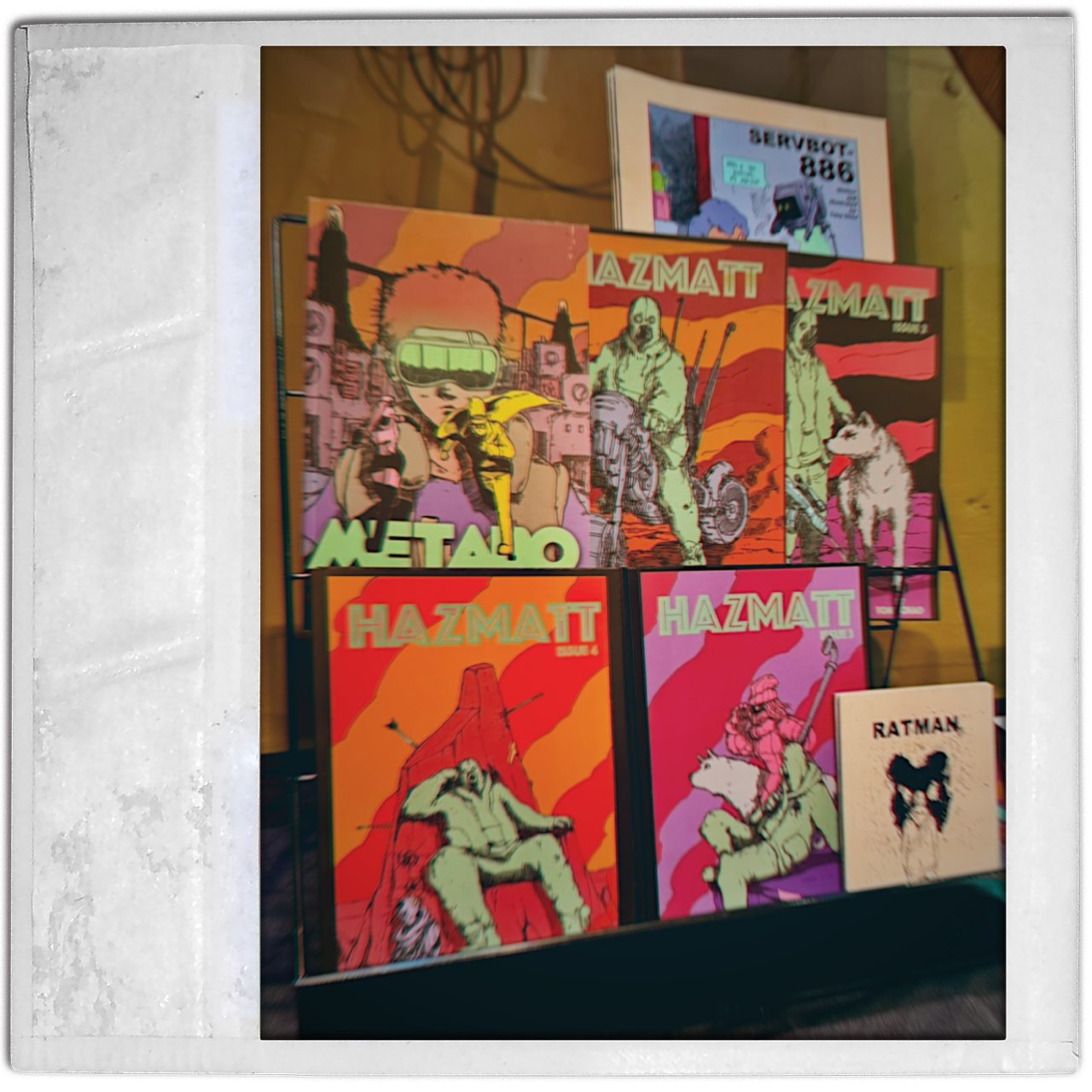
Some Of My Comic Characters: a homeless New Yorker inspired by walking 8th Avenue at 5 a.m.; a hazmat-suit survivor I started right before COVID after reading Bukowski’s “Dinosauria, We”; and “Metabo,” a cyberpunk story with a morally passive hacker who finally decides to do the right thing—me working through my own political apathy after the 2016 election. I’m not an activist; it’s not my nature. But I can make art that reflects things and maybe influences someone.
Humor-Wise: I like playing devil’s advocate. I’m a cynic. I draw it out, get it out of my system. I love George Carlin and Bill Burr. In college we had a ritual: play Carlin on the drive to fights and eat Long John Silver’s; when we did, we’d win.
Fight Days: drive, weigh in, eat depending on timing, hands wrapped, pads, playlist to get dark - Eminem “’Til I Collapse,” Immortal Technique, “No Mercy.” By my fourth or fifth fight the nerves faded - shaky legs walking in, then fine. After the fight, it’s burgers and Coke because you’ve been cutting weight for weeks.
People underestimate how hard fighting is and the levels involved. Fans say “Mayweather sucks,” and I’m like, you have no idea—an average sixteen-year-old with training could handle you. Brian Scalabrine said he’s closer to LeBron than you’ll ever be to him; same in boxing. I’m good enough to beat most untrained people, but the top 1% would destroy me.
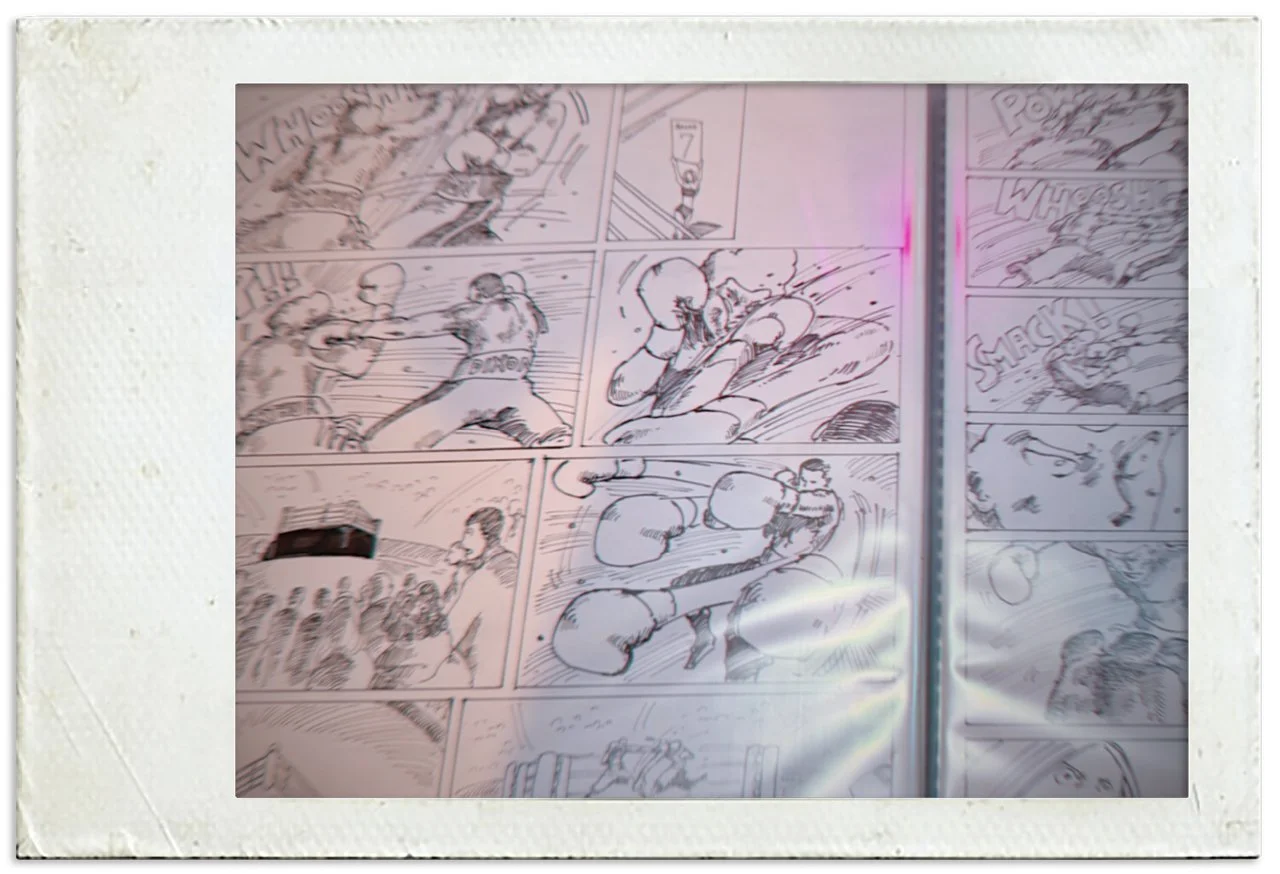
I did a one-off “Fightbot” story and a boxing webcomic with a female fighter who had bionic arms. A friend suggested reversing it: a fighting robot becoming more human. I wrote 6-8 pages about a champion robot, the Green Viper, who gets aged out by newer models, gets a human skin makeover to keep fighting as spectacle, then finally refuses, hits the promoter, and runs away. I’ve thought about continuing it—maybe it leaves boxing entirely to find a new identity.
Directing Animation: Art is more individual than fighting; everyone has a style, so competing isn’t as helpful. Comics can be entirely solo - concept to final. I’d love to turn Hazmat into animation. I made a two-minute animatic of the first eight pages and tried to animate it myself; super time - consuming, so I tabled it until I find collaborators. The manga dream path is: draw, get published, then get an anime.
Directing animation is like directing film: shot design, frame counts, acting beats. For a scene: wide shot—Hazmat walks toward camera, gun smoking, fumes blowing; 120 frames, slight pull-back. Then close-up: he looks sad, sighs. For fights: wide standoff, medium run-up, reaction close-ups, over-the-shoulder shots, quick 15-frame reactions, pans, exchanges, back to close.
Community: Community-wise, I’m probably more in the boxing scene than the art scene. Boxing is small - you see the same people at tournaments and shows. There are “fight” gyms like Atlas Cops & Kids in deep Brooklyn or John’s Gym in the Bronx; mixed white-collar/competitive gyms in Manhattan like Church Street, Mendez (back in the day), and Work Train Fight; and boutique “boxing-inspired” workout studios. In art, I know some SVA folks and New Yorker cartoonists, but I don’t love hanging around talking art all the time. I’d rather go make things.
Style: Explaining art feels odd - if I have to explain it, maybe it’s not doing its job. Same in boxing: if I need to tell you I’m winning, I’m probably not. I just try to spend my time well. Drawing is my happy place. If the world’s messed up, at least I can sit down and draw and feel good in that moment. If it’s not fun, why do it? Unless you’re making a ton of money - then, okay, suffer. If you’re making $500 a fight, you better love it.
My friend Dom and I feel lucky we found what we love—me with drawing and boxing, him with hacking—and managed to monetize it a bit. If we hadn’t, who would we be? It’s a blessing and a curse: you find a path and go deep. It felt natural, especially drawing. Maybe boxing less so, but drawing was inevitable. If someone had broken my hand or shut me down as a kid, who knows?
Boxing reveals personality. I’m not politically conservative, but my risk tolerance is low; I’m conservative by nature. I’m a counter-puncher—defense first, wait for safe openings. I like being calculated, reading jabs, seeing patterns. I’m terrible at bluffing in poker - fits the personality. You learn a lot about people when they get hit, pressured, or succeed—who breaks, who fights back. As a coach, you either build someone up or push them harder, depending on that response.
AI And The Future: I remember early internet optimism—chat rooms, talking to anyone. Then it devolved into bubbles and brands. Facebook started cool, then became something else; now mostly older people use it. Same with Instagram and Twitter. The platforms changed.
Where are we headed? Part of me is pessimistic - AI and climate. It feels like a point of no return environmentally. If agriculture fails - monocultures, heat—then we’re in trouble. I’ve had days that felt straight out of a comic. Once at Syracuse we were supposed to fight at the University of Maryland. The plan was to leave at 6 a.m., weigh in at noon, fight at six—easy. At 6 a.m. the coach called: car’s busted, it’s off. At 10 a.m.: car’s fixed, go now! We got a speeding ticket, hit a four-hour gridlock where the highway between Pennsylvania and Maryland was shut for construction, hand-navigated to College Park, weighed in underweight and exhausted, watched teammates get stopped, then I crushed my glasses bending down for my mouthguard. I lost. That night we went to a club; I wore a bummy Syracuse hoodie and taped-up frames. People heckled us. Even the weed didn’t work. One of those days where everything goes wrong.
What’s Next: I’m looking for work as an animation director, creative director, storyboard artist, and illustrator. I might be cornering a fight in September.