Designers In Process
artistic expression and personality are inseparable.
Designers in Process
Featuring the work of James Bartol, Katharina Windemuth, Aura Myers, Kristen Merritt, Jessie Char, and Mariana Soares; Interviewed July 22nd, 2024 in New York City. The Transcript is below.
James: As a production designer, I would describe the work that I do as world building. Your job is to support a narrative and create an environment for stories to live in. Your work should enrich characters and add depth to the themes in a narrative and also set the right mood for the story. As a designer, your tools are color, texture, and form - just like any artist - and how one uses these tools, that's what creates successful production design.
I think what might surprise some people about my job is the amount of research and preparation it requires. Your work builds backstory in a film, so you've got to be on point and precise in every design choice you're making. For me, I like to start from a place of color and building out a palette with textures and different materials - playing around with form and pattern. I just find that playing with these materials and building out these pallets - that can lead to inspiration.
In the future I'm really looking forward to designing more period films. History, personally, just really excites me and whenever I can use that interest in a design - that's just so fulfilling for me.
I think the art scene in New York is in a difficult place right now. We live in what is such a luxury city. As an artist, you can't afford to be selective with the work you take and the jobs you do. It's a real hustle. A lot of the artistic work here is commercial, so we don't always have opportunities to work on projects that really excite us. So I know for me it's about trying to find some, or create some excitement in some of these commercialized projects I'm hired on. I'm always trying to find some creative satisfaction in every project - just sometimes, you really have to squint.
Katharina: I work as a costume designer primarily for film, and my day-to-day consists of reading scripts and working with directors and actors to figure out how to build a world for the characters to inhabit through clothing. I have always been interested in how people adorn themselves to communicate a certain aspect of their personality to the outside world.
I think people would be surprised to know that the majority of my job actually doesn't involve putting clothes on people. There's a lot more prep involved than I think a lot of people realize. Uh, there's a lot of research that goes into the decisions that I make for a feature. I think something feels very authentic when I almost don't feel like I'm making any choices at all because I just need to ask a character what they want to be wearing in any scene.
I would be super excited to design something that required most, if not all, of the costumes to be built from scratch. It would be really fun to work with a costume shop and collaborate with people who have specialized in hyper-specific elements of clothing making.
A lot of the things I brought are things that I didn't know how to make prior to having to make them for the specific film that they were in, and I find a lot of comfort in these tokens, mementos of, um, past frustrations.
I don't know that there is one predominant art scene in New York but I think that's what's great about it - you can drop into these tiny pockets of creatives who are working together to make amazing stuff happen.
Aura: I’m a costume designer. I help translate a director's vision and I work with the rest of the design team to help create a cohesive world. And then as a costume technician, I help build the costumes and make sure that they can do everything that's required of them. Costumes really are built. To make a piece of clothing that holds up every night, eight shows a week after getting danced in and sweat in and washed afterwards. It takes so much internal structure and reinforcement and layers just to make it all go. I've been wanting to make a Grim, dark, Little Red Riding Hood costume since I was twelve years old. I hope people take the time to notice all the little details about it and make up a story for everything they see and I hope they notice that everything is super size adjustable 'cause I had to make this with three things in mind: The photo shoot, displaying it here and adding it to my personal collection later, 'cause I want these clothes.
There are so many talented people making such cool stuff and yet there's so little money to go around that I am just so glad that I have communities like The Commonground that let me connect with other artists and get help getting my stuff made and let me see their work. Some of the best shows that I've seen this year have been friends pieces that they've poured their hearts and souls into, and thank God for comp tickets.
I would love to do more music videos. I really like pushing the boundaries of what is considered wearable and I think that's an area with just endless freedom in it. Music videos are so untethered by reality, um, that you see people wearing the extremes of clothing in either, mostly in either like really luxurious ways or really avant garde ways, both of which I think are really fun to explore. I wanna dress you in trash and I wanna make it look like diamonds. That sounds awesome.
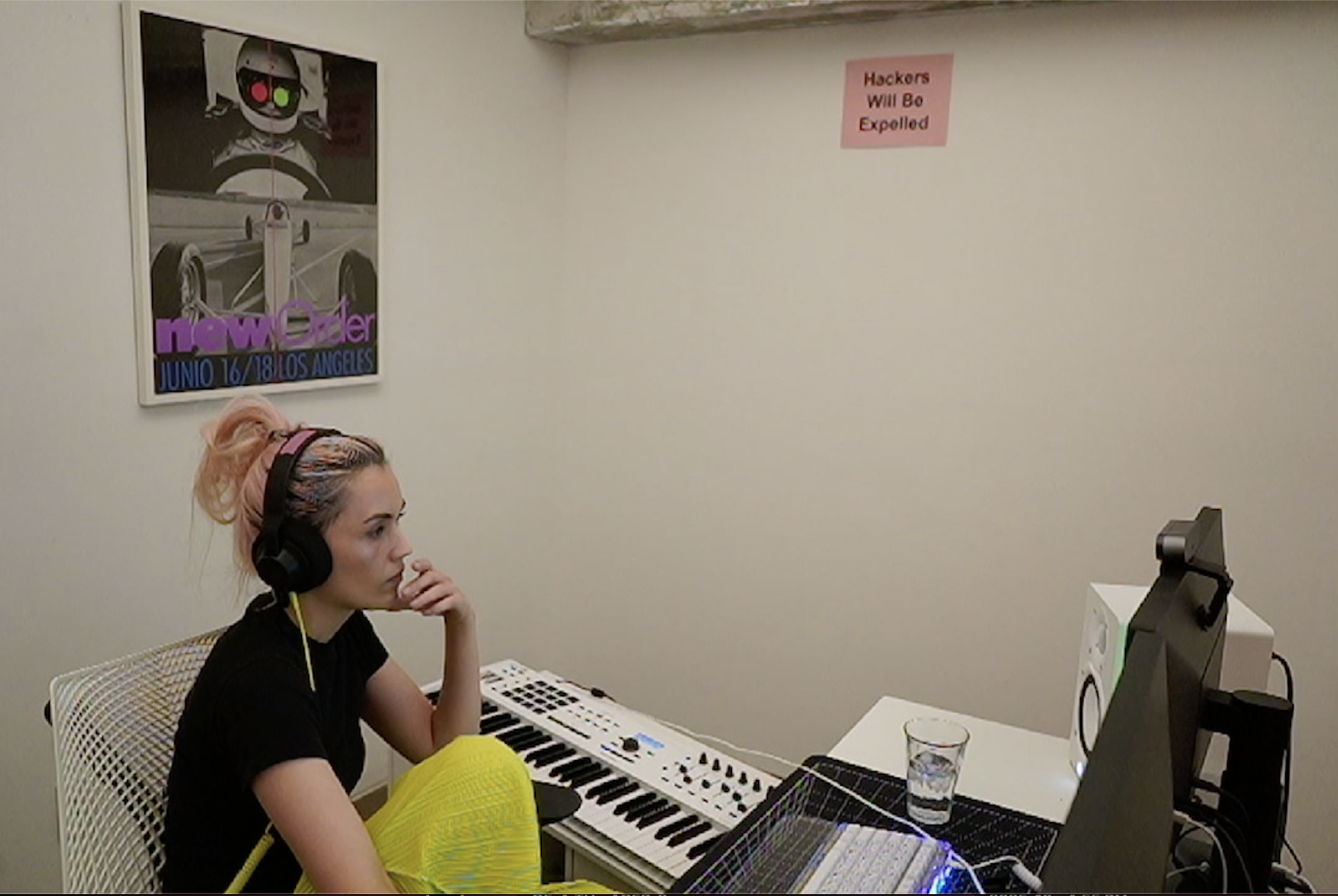
Kristen: While it's a labor intensive process to make a song as a solo engineer slash musician, it is truly a labor of love that really enhances your understanding of sound. I've had to learn the very technical elements, including the physics of sound and sound design - like think about things that like end in hurtz - and it has made my ear that much better and for those that might feel more “right-brained” in their art, you, like I, may surprise yourself to find that the more left brain activities are not only fun, but you're better at them, rather, then you may think otherwise.
And a small plug, if you're still working on the left brain activities and you need some help in the meantime with the technical parts of your music, such as the mixing and the mastering of track - let me know as I do work for hire for these processes as well. I wear three primary musical hats, producer, sound engineer, and performer.
What might surprise people is that getting a song from an idea in your head into a fully orchestrated radio ready single has multiple steps, and generally these steps are done by separate people. In my latest singles, I've been exploring more “found sounds” and these I would characterize as sounds that I create with objects handy, like say a pen.
So that's like tapping a rhythm and then later using plugins in my digital audio workstation, which is called Logic Pro X, to alter the sounds that I've recorded. I wanna do more of the sound capture and build a song exclusively with found sounds. I think that that would be a really fun challenge.
Collaborations wise, I wanna work with more bass players specifically to add more funk to my sound because I am always looking for a groove in the pocket. There's something about bass that is magical and I, I just wanna work with more bassists. I'm getting back into the scene of art, specifically music, in New York after a few years of personal development that took me out of the main, like hustle and grind, but I'm glad to say that it feels like there are still opportunities to perform.
Jessie: I have struggled to describe what I do 'cause I do a lot of things. Um, for the last piece of theater I worked on, I was the sound designer, but I was also a creative director. So I did graphic web and print design, coding, marketing, cooking, sewing, building, makeup styling, merch creation, and honestly a lot of other random stuff.
Um, it's all a bit much, but I kind of need it to be that way. The different mediums help me from burning out on any one thing, and I actually find a lot of similarities between the seemingly disparate disciplines. Sound design is just invisible graphic design. Fixing code is dramaturgy. I think that there's a common misconception that multi-disciplinarians may know many things but know them shallowly, but I think this range deepens my understanding of each thing I do, allowing me to get down to the very essence of what it means to be a designer. Everything is about how to communicate ideas effectively and create systems that don't fall apart.
I would love to work on a show that uses only practicals and live Foley for the sound design. I get that sounds need to be heard in theaters, but sometimes the better and like more high fidelity sound gets, the more conceptually distant it feels from everything else going on behind the proscenium. I think the push for more immersive experiences leads to things like spatial audio, but why should live theater need spatial audio when it itself is a space?
I'd love to work on a play where amplified sounds are explicable, where speakers and microphones are literally a part of the fantasy world and the sounds coming out of that world are being created in real time, just like the actors on stage living the reality of their characters in each show.
I guess I'd like people to know that I've only been working in theater for a year, so please don't judge me too hard. I technically have no idea what I'm doing, so I best keep expectations very low. How would you describe the current art scene in NYC? Experimental. Safe. Nepotistic. Open-minded. Difficult. Possible. Thrilling. Monotonous. Underserved. Underfunded. Appreciated. Underappreciated. Supportive. Gossipy. Inspiring. Demotivating. Exhausting. Wondrous. Addictive.
Mariana: To me, production design is about materializing ideas by creating this visual and atmospheric environment that will support and sometimes integrate the narrative or the product. The job requires multiple responsibilities - from the concept to the set design and sourcing materials -to collaborating with other departments as well.
I'm also very passionate about creating imaginative, dystopian realities and surrealistic visual elements. So any type of project that inspires me to experiment with new techniques and artistic expressions are always something that I am committed to be involved with. Music videos are also something that I think gives the opportunity to translate and merge different mediums like music into visual expression and I find that very fascinating as well.
Painting and arts was a big part of my formation and the way that I see the see the world. Sometimes I get invited to projects to participate with one of my paintings, and, in this case the director requested me to have some paintings on the set and then from there we conceptualized kind of an art gallery.
I think what brought me here first to New York City was the art scene and counter-culture. To me, it's very vibrating. You can be involved in so many different creative cubes where you can tap into this collective consciousness and be constantly exchanging ideas. If you have like the right energy and focus there is always a niche where you can find out yourself.
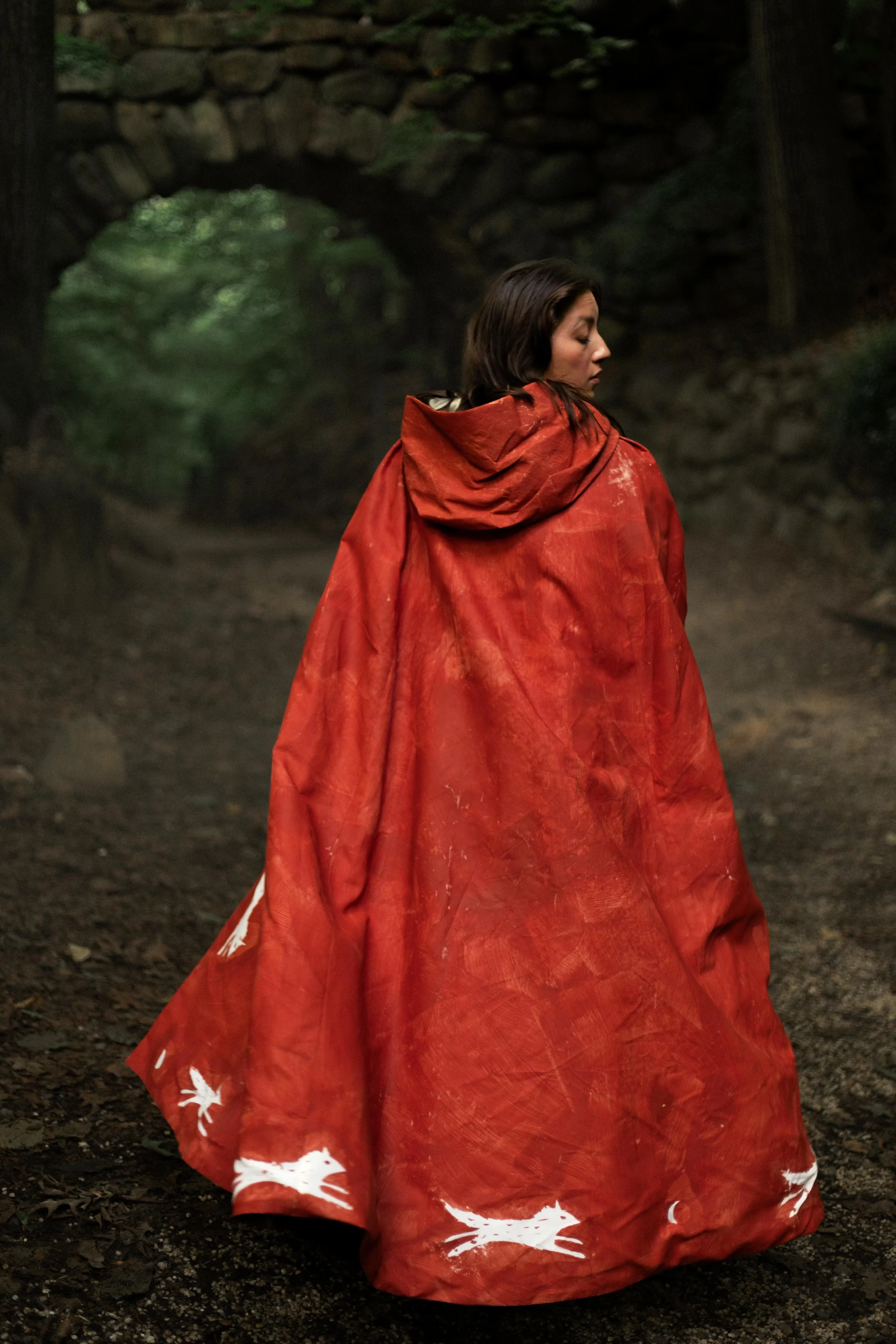
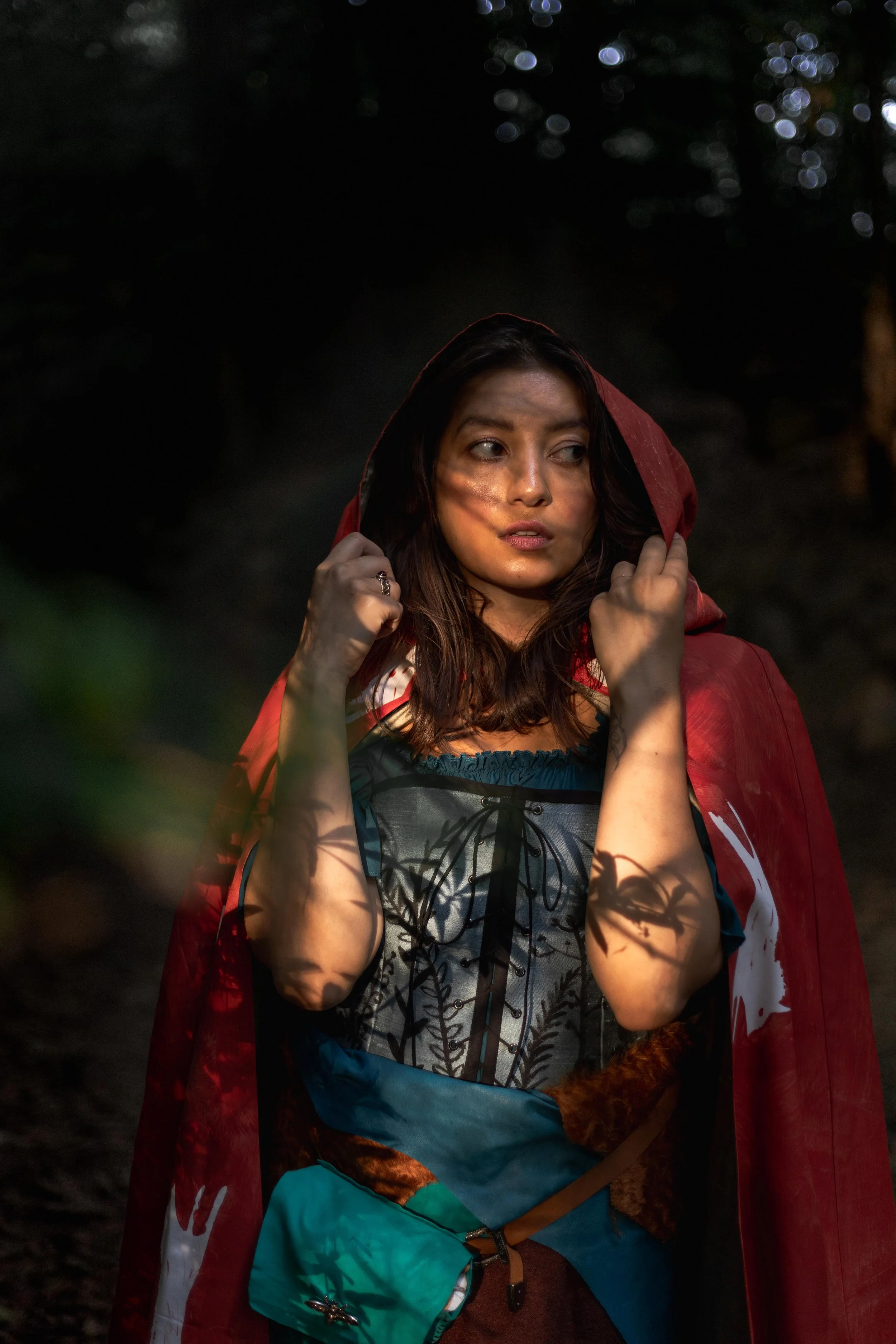
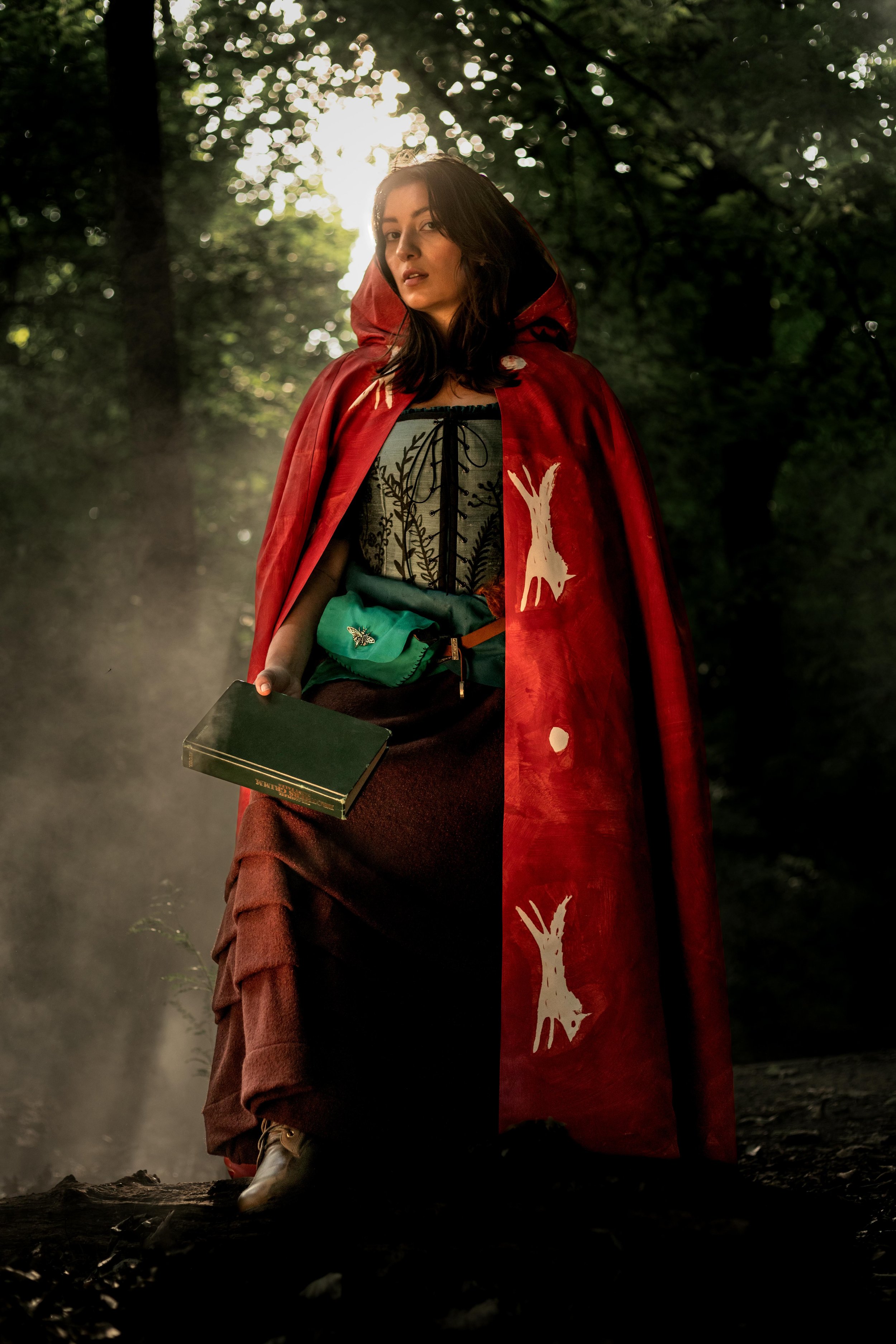
Costume designed and constructed by Aura Myers
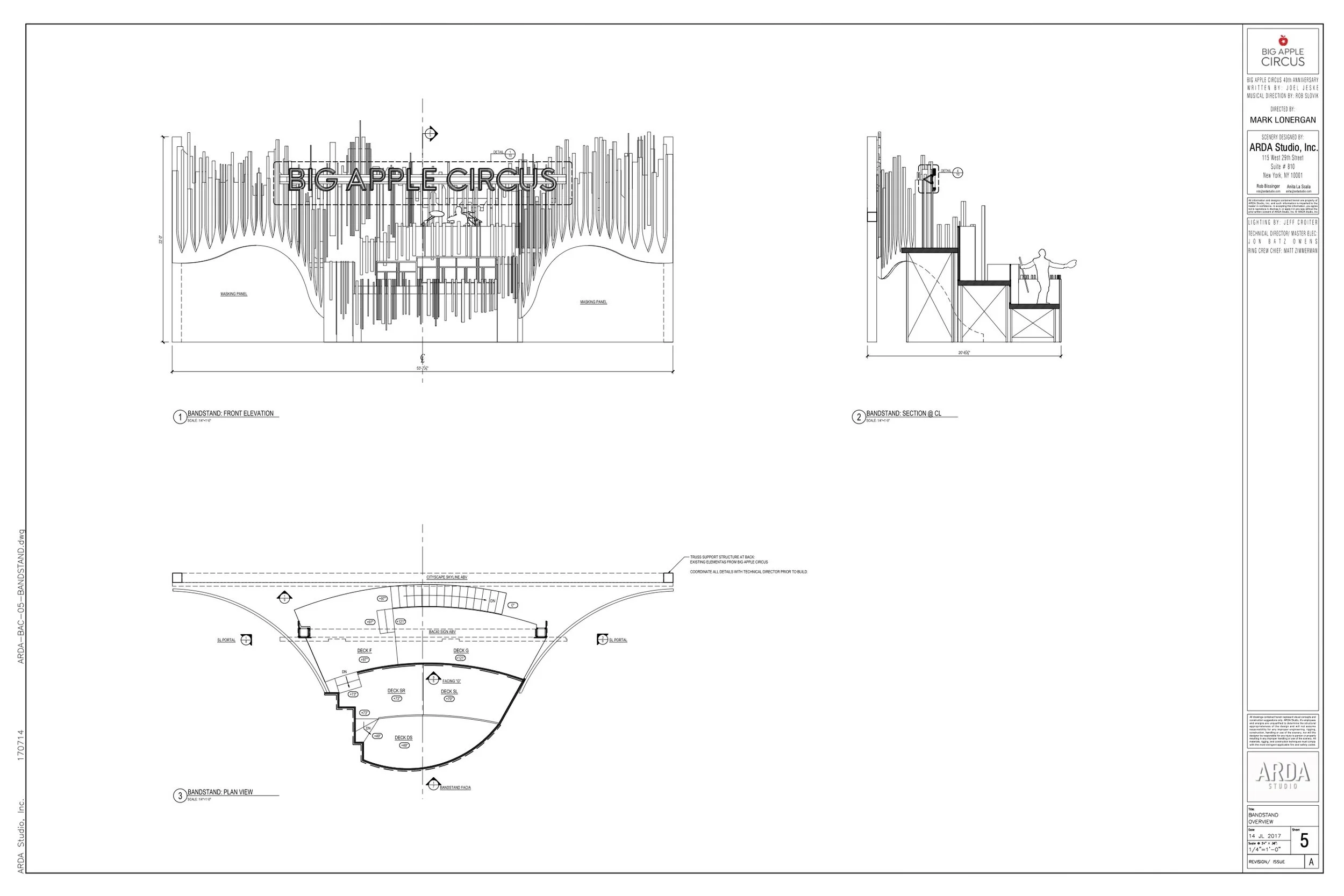
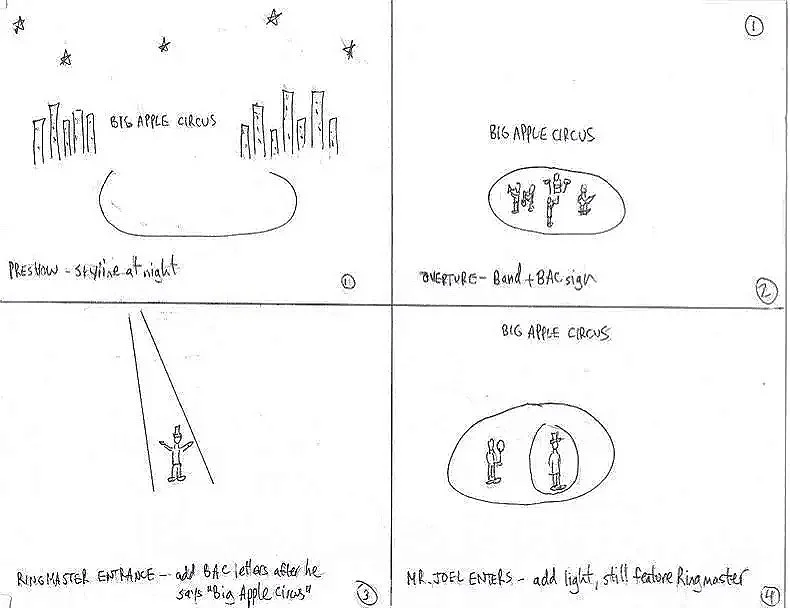
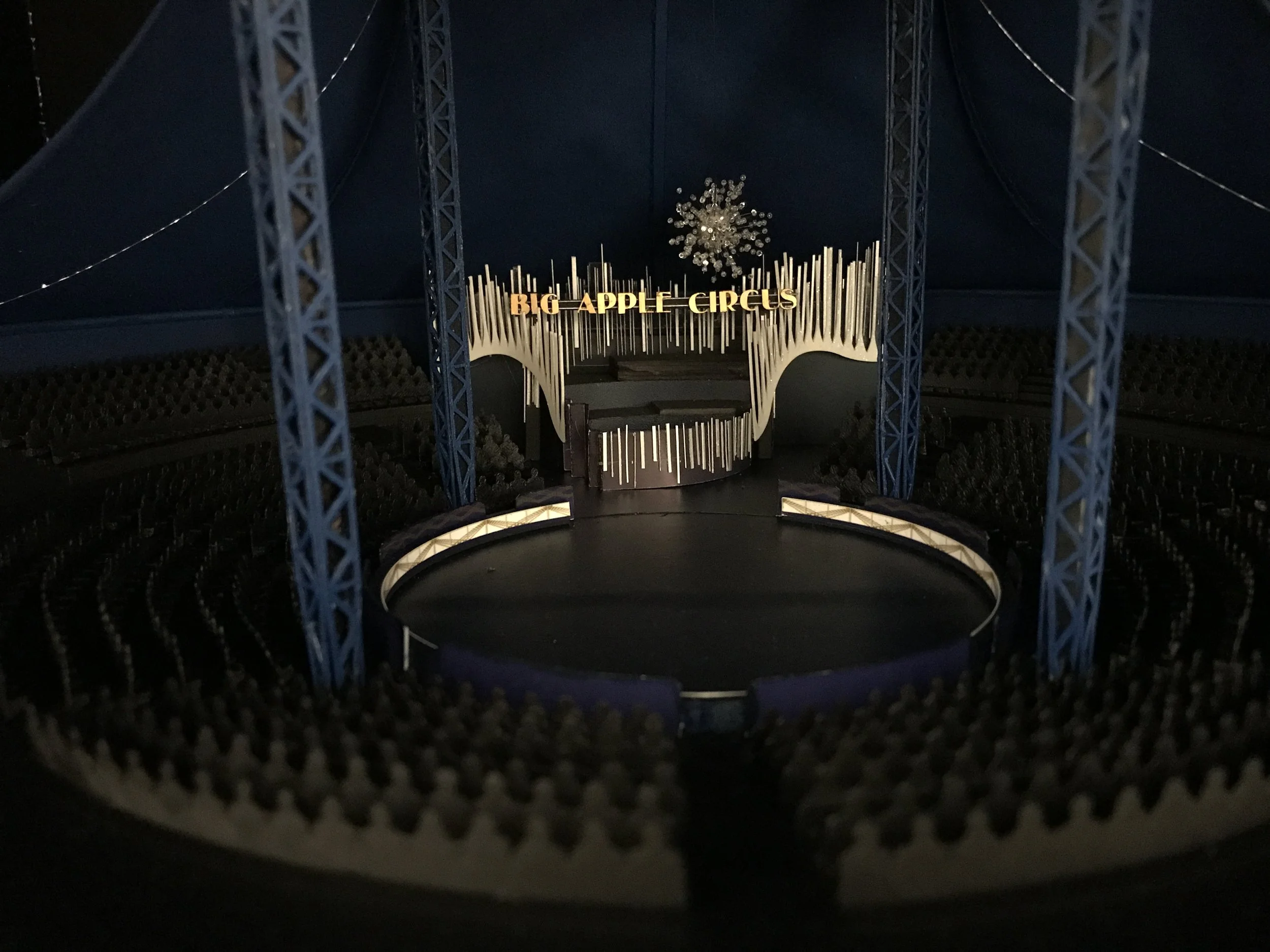
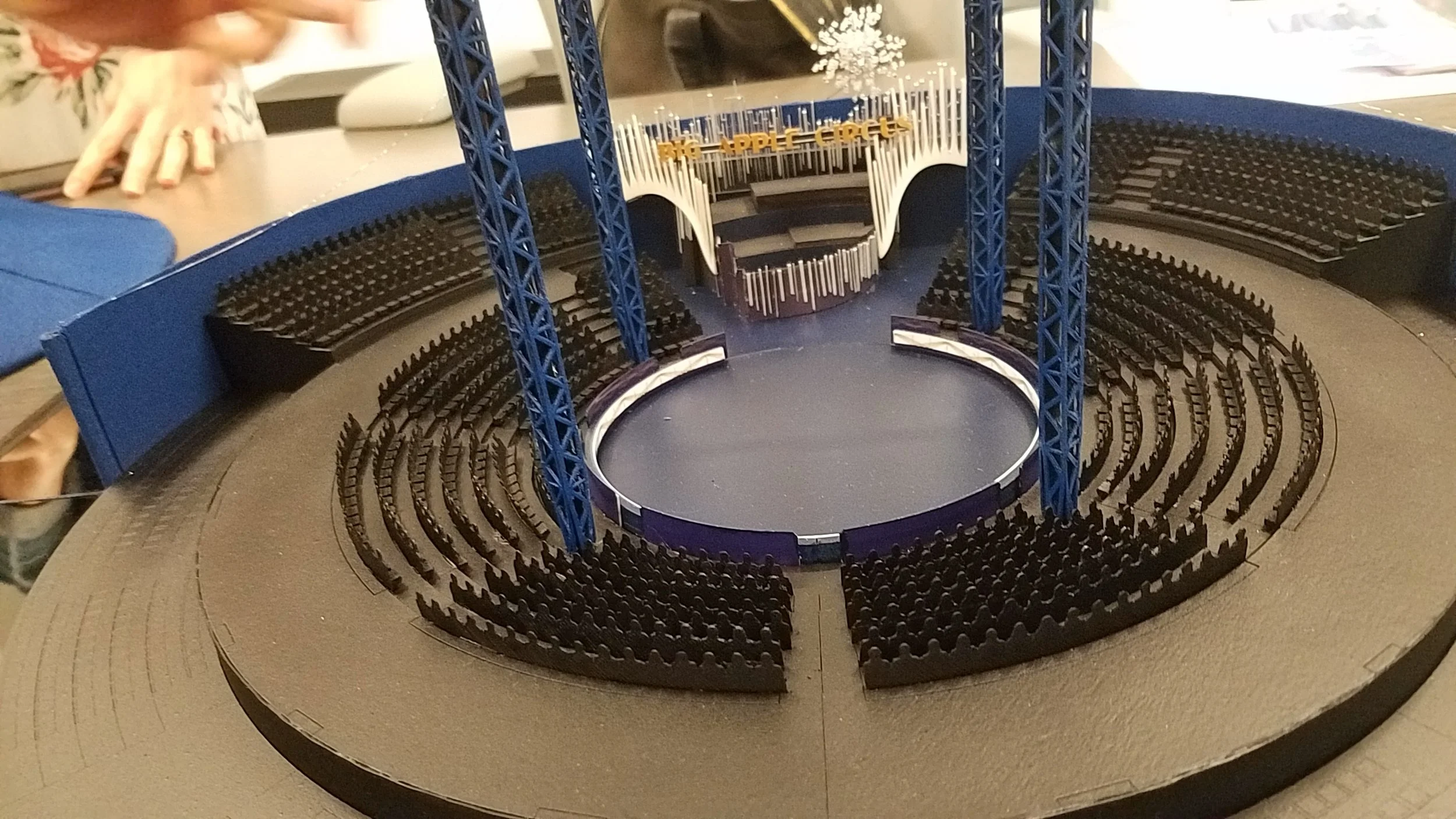
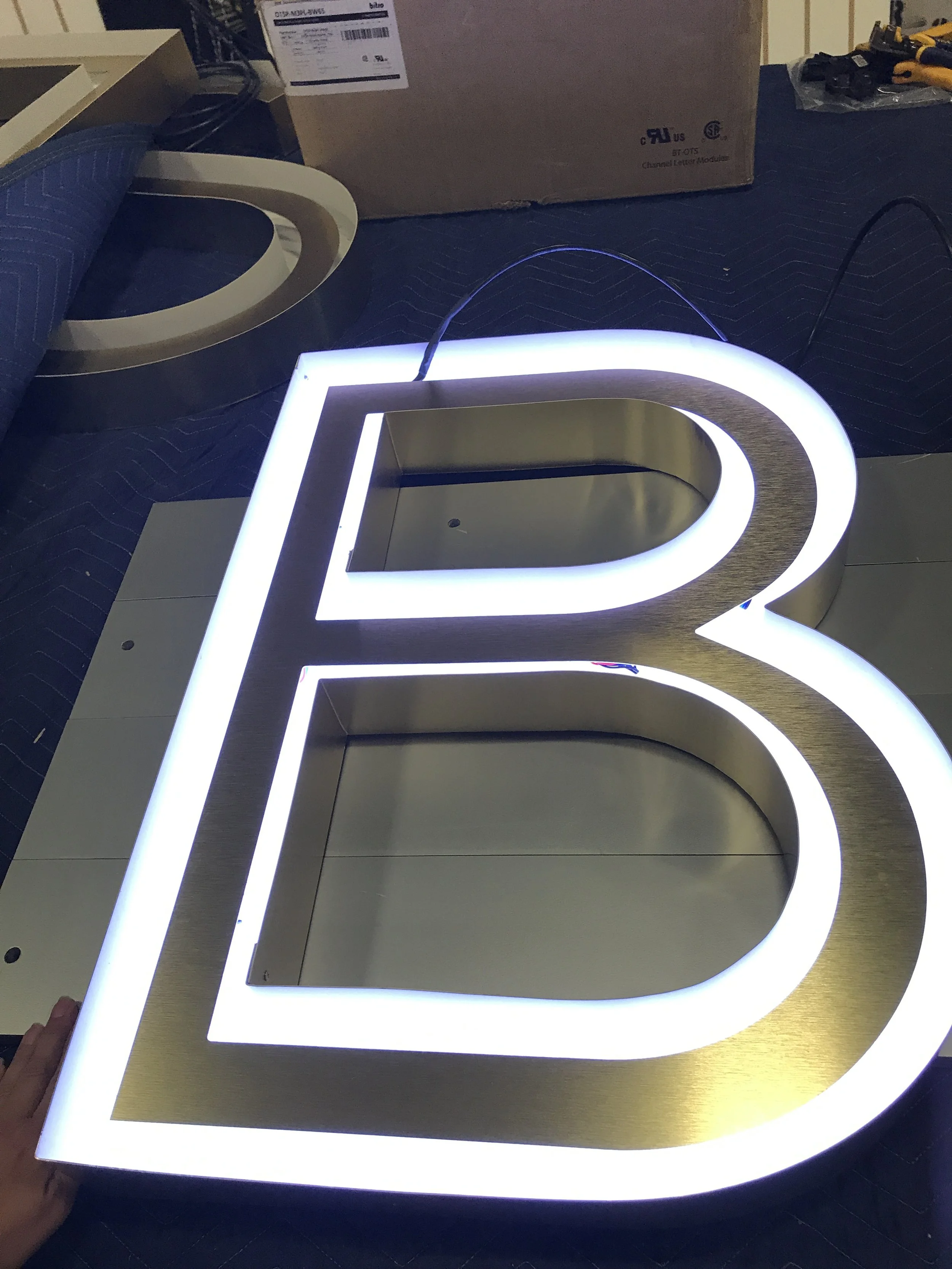
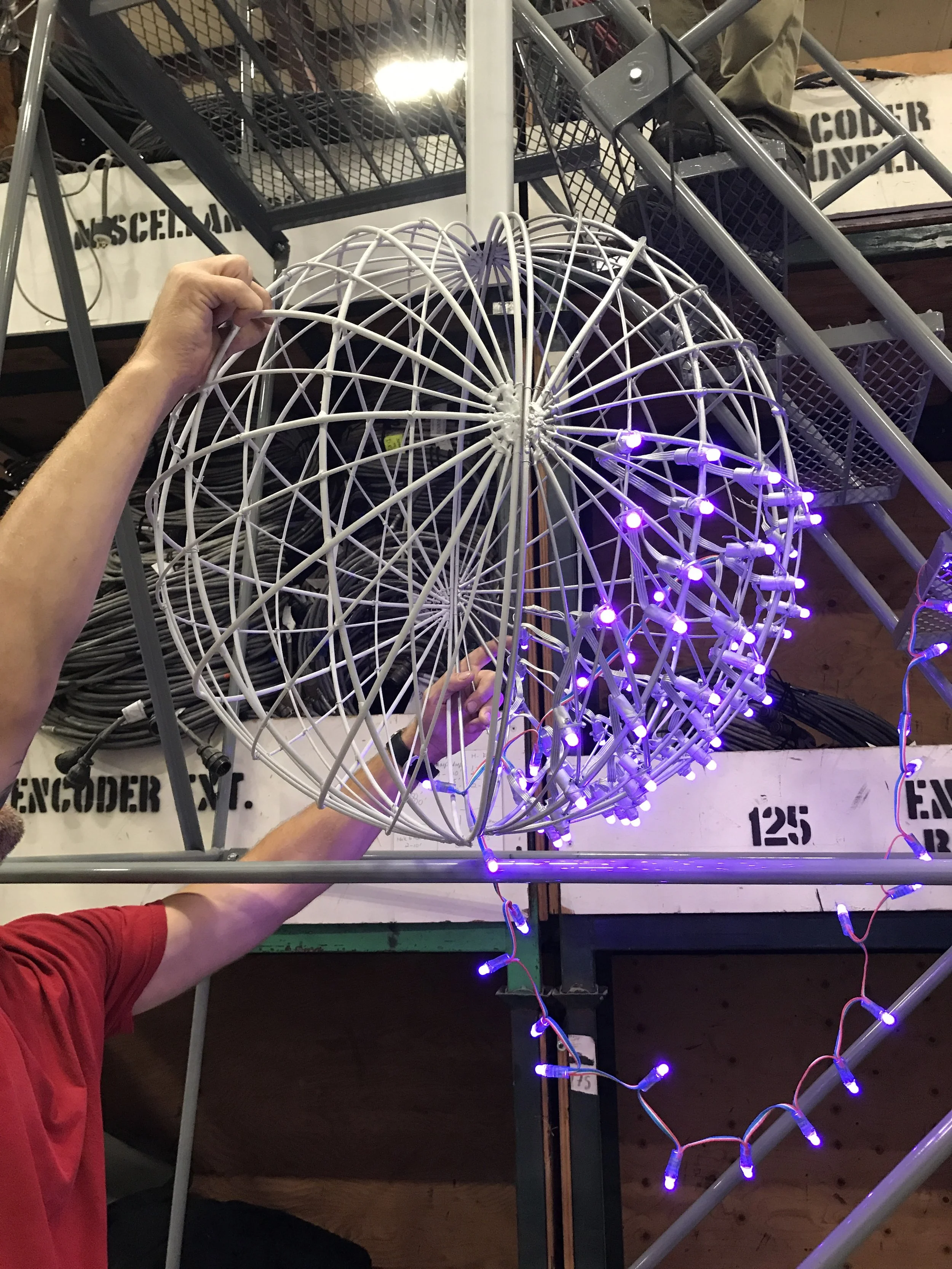
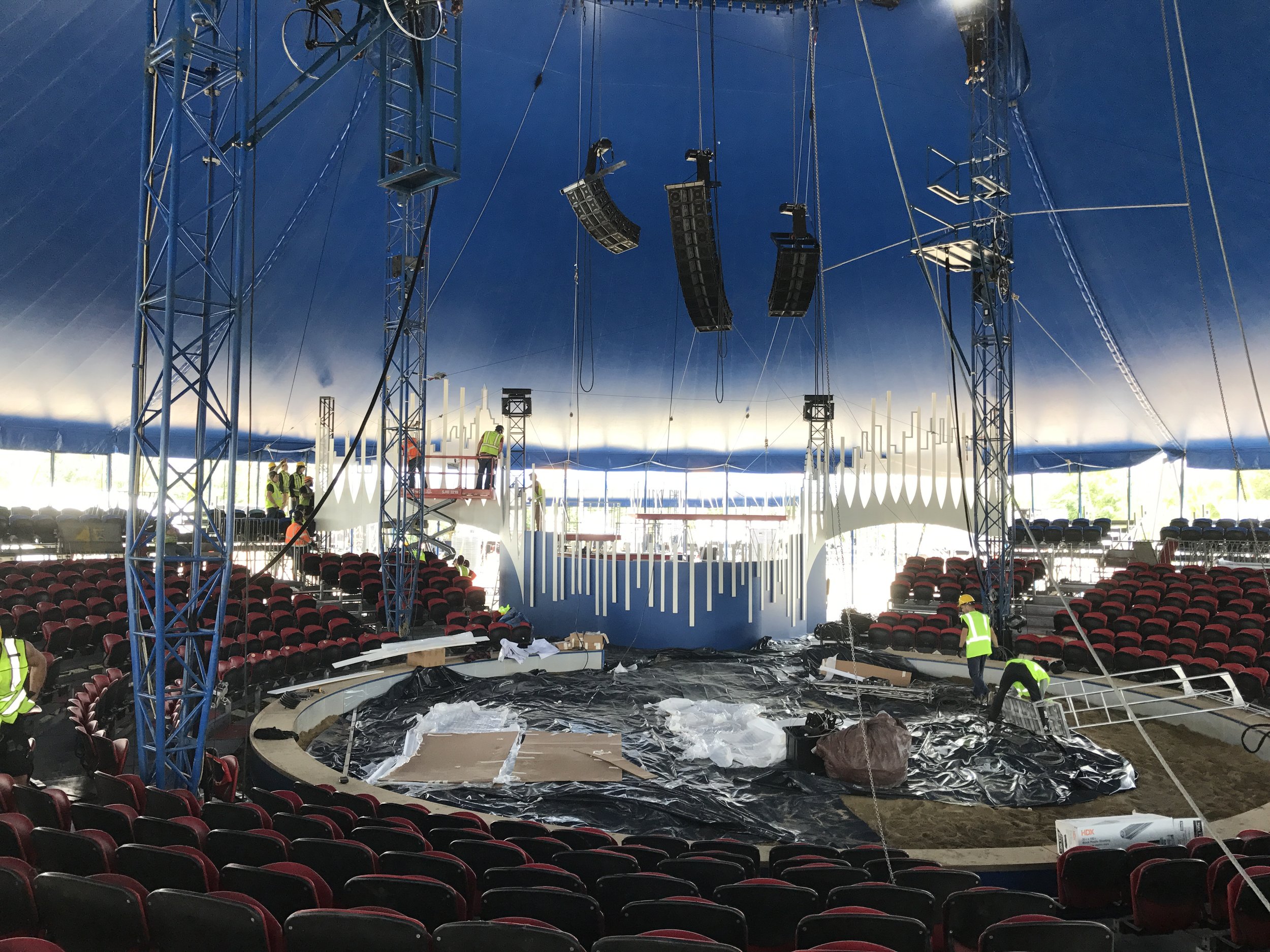
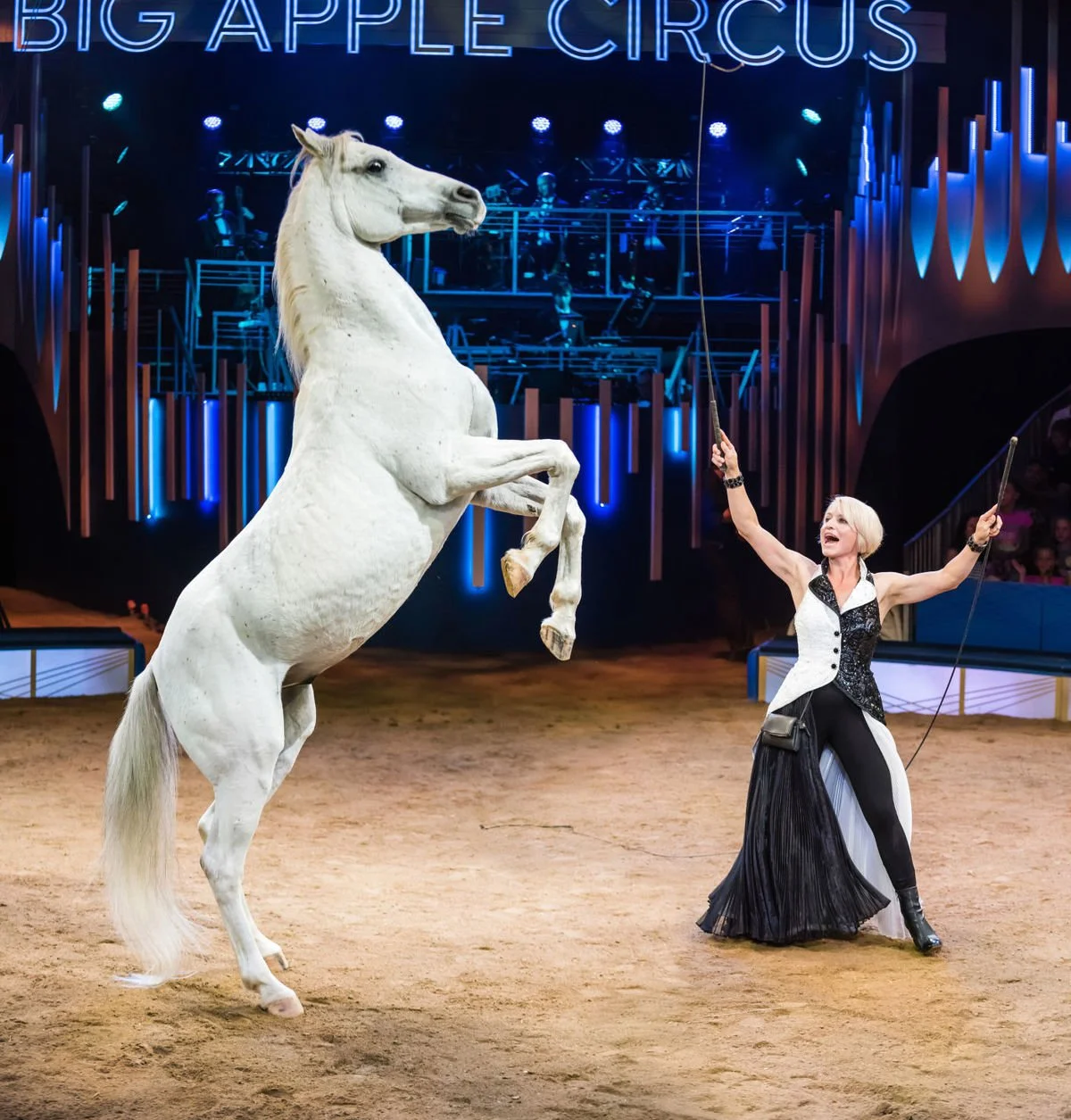
Light Humor & The Big Apple Circus
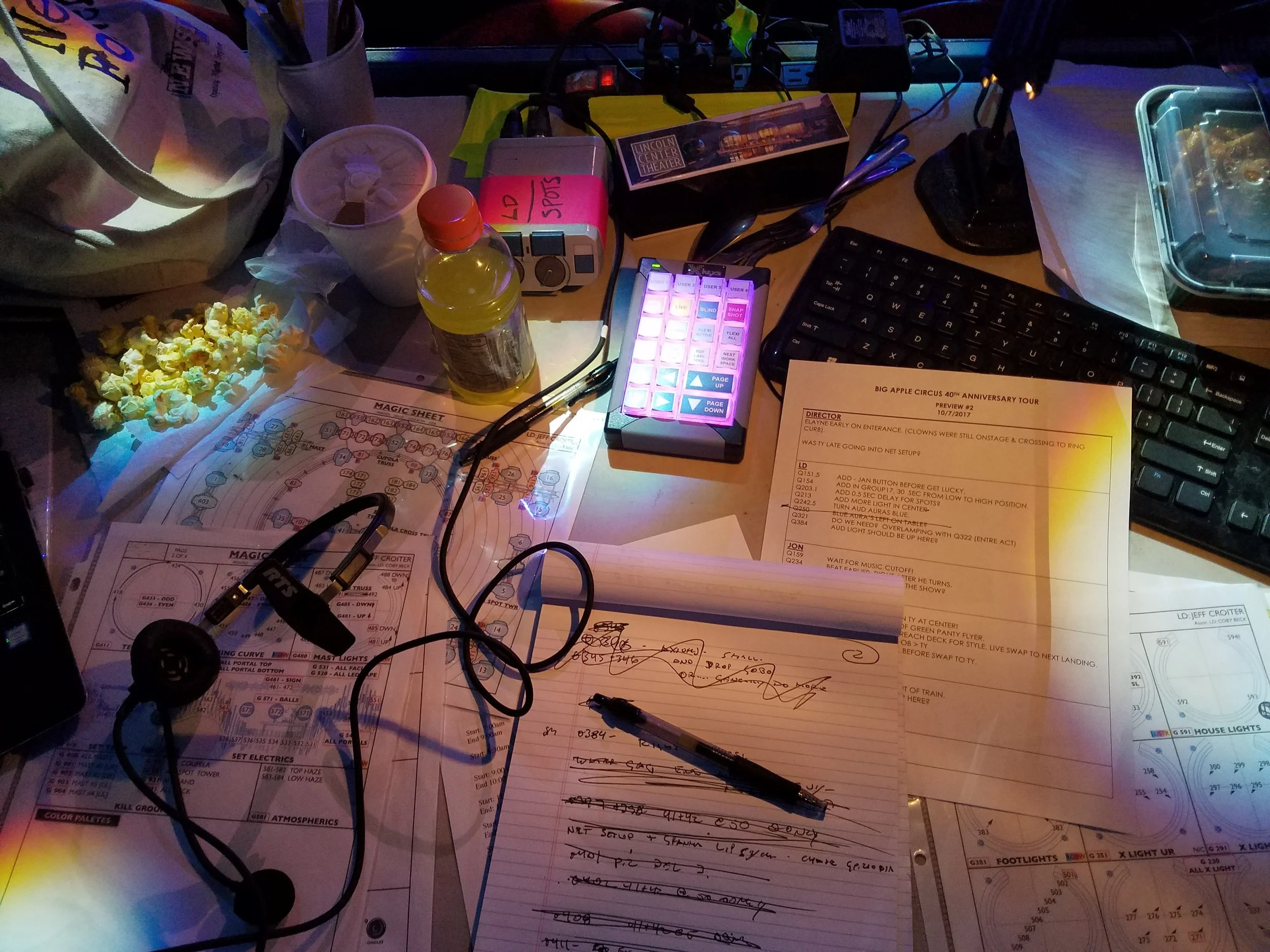
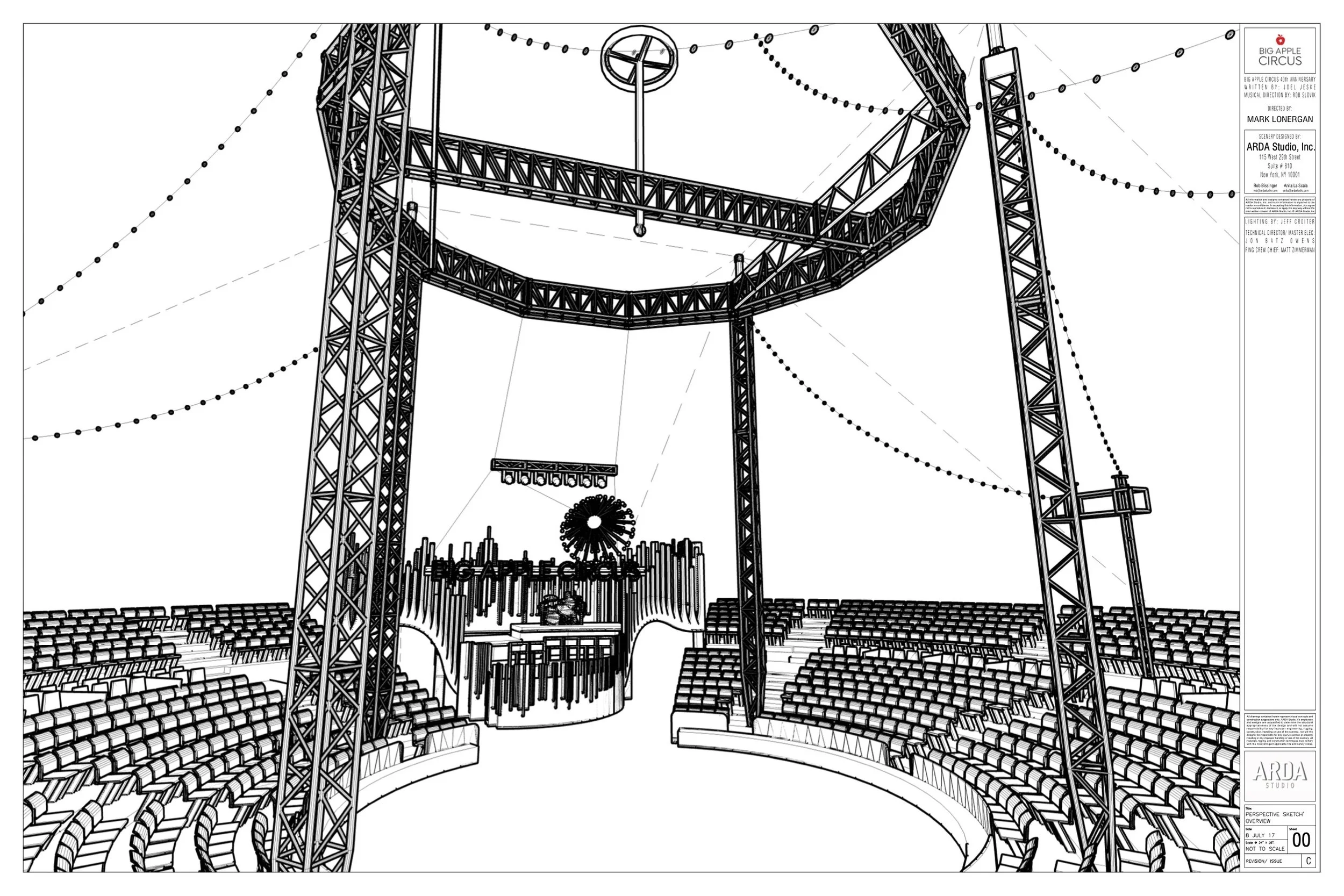
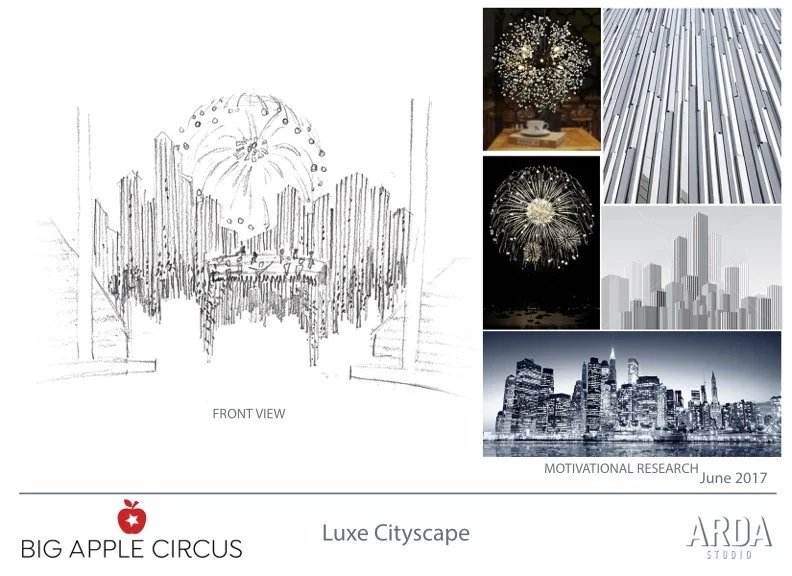
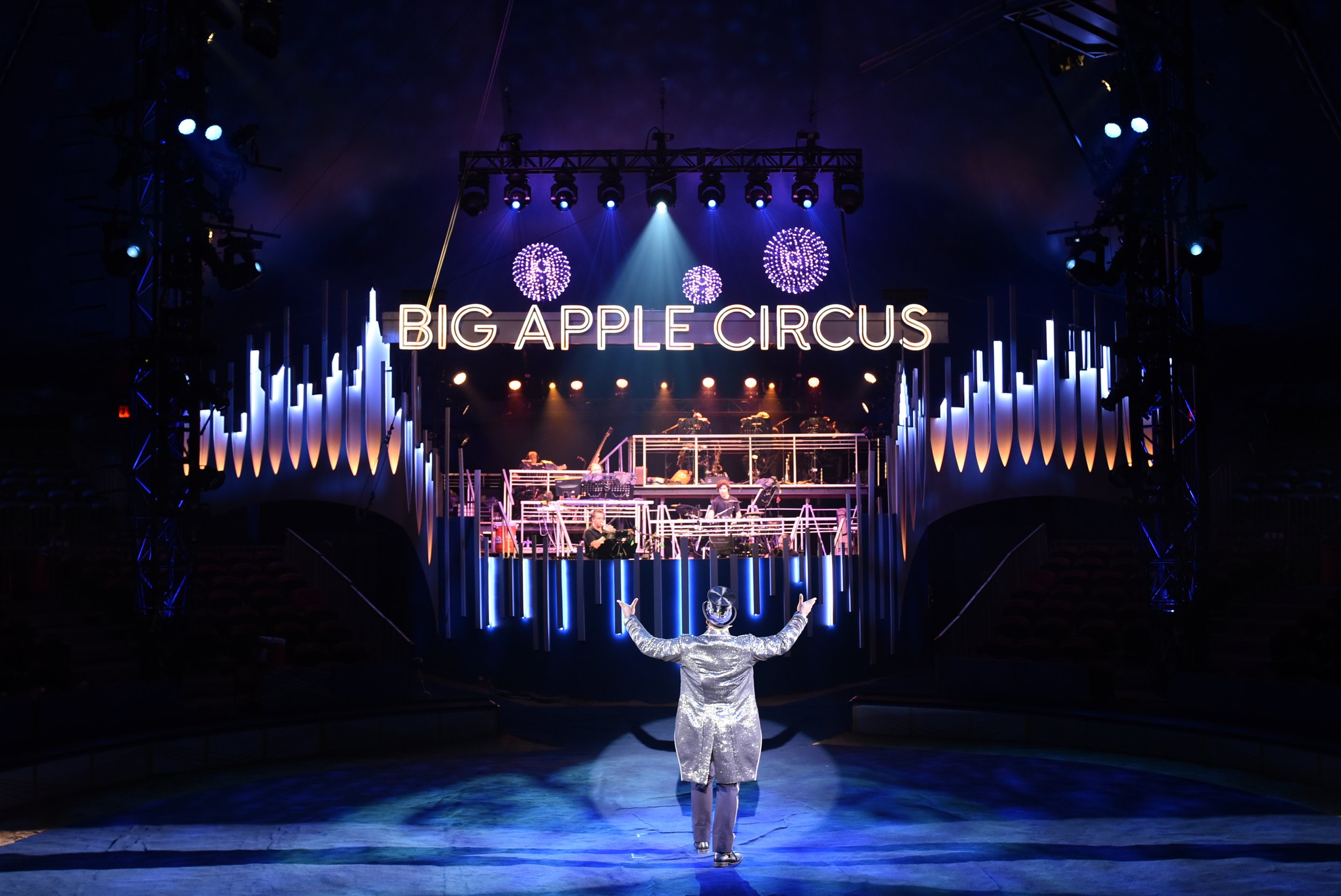
Light Humor is a playful animated web series created by Tony Award–winning lighting designer Jeff Croiter and produced by 4Wall Entertainment. The series offers a lighthearted look at the world of stage and event lighting, blending industry insight with clever behind-the-scenes humor for theatre and production enthusiasts alike. We also spoke with Jeff, Anita LaScala and Rob Bissinger (of ARDA Studio), and Mark Lonergan about their collaborative design process for the Big Apple Circus, which they worked on together for two seasons.
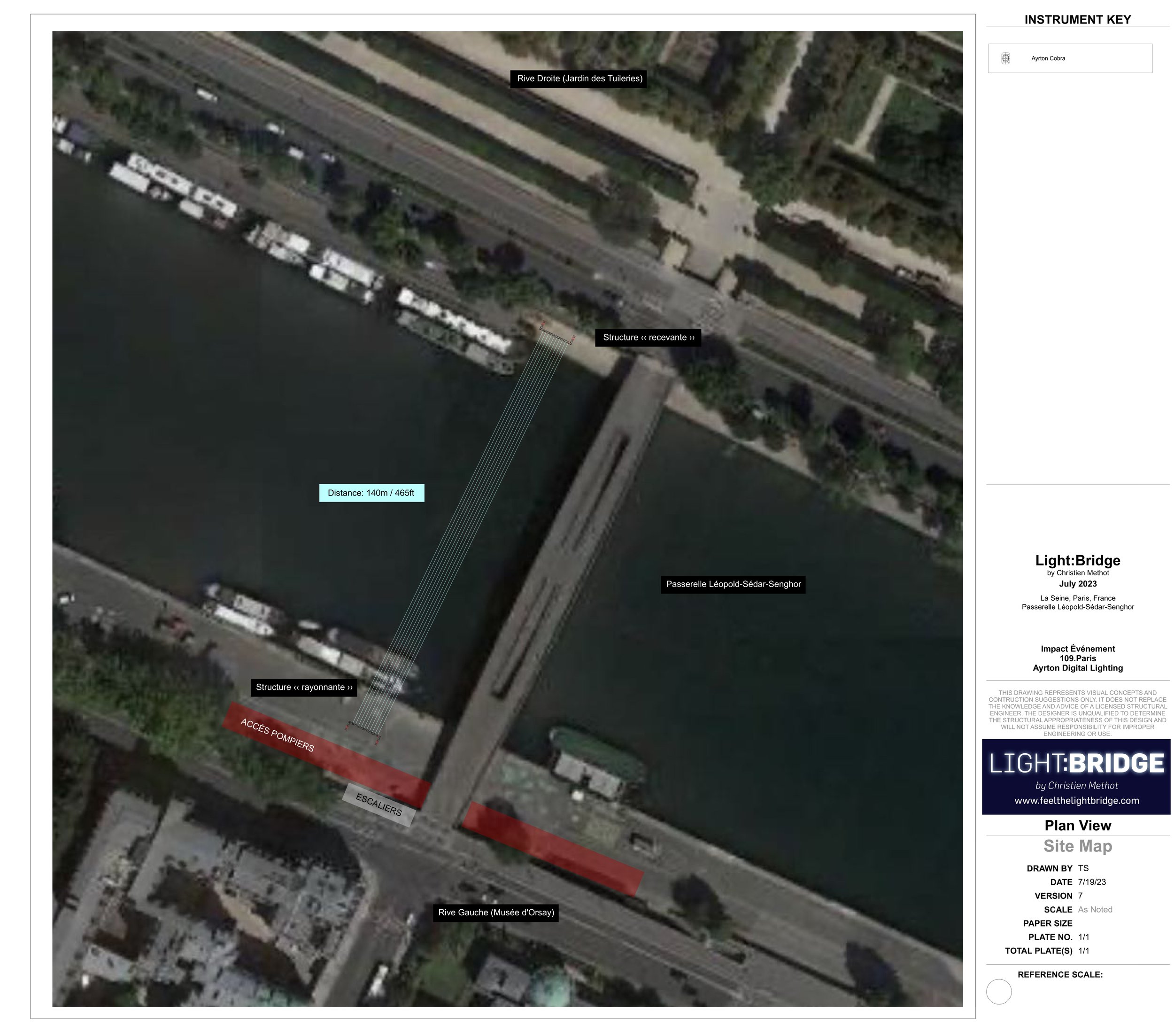
Light:Bridge | A Large-Scale Installation
Light:Bridge is a large-scale public art installation by lighting designer Christien Methot, featuring powerful beams of light that span bodies of water to form an ethereal, luminous “bridge.” To realize the project, Methot and his team navigated a complex film and event permitting processes, coordinating with city officials and local authorities to safely stage and document the work (with elements sounding a bit like something out of the film Argo). Since its debut, Light:Bridge has also been staged in Miami. Methot has expressed hopes to see it featured at a major international event such as the Olympics, where its themes of connection and unity could reach a global audience.